Independent, owner-operated clinicOpen Saturdays & SundaysWilloughby Town Centre, Langley
Composite bonding · Langley

Composite Bonding in Langley

Close a small gap, repair a chip or even out worn edges with tooth-coloured composite, shaped by hand by Dr. Jinny Han. Often done in one visit, with little or no drilling of healthy teeth.

  • Free consultation with Dr. Han, with no obligation
  • Often completed in a single appointment
  • Costs explained before anything starts
5.0 from 190+ Google reviewsOpen weekendsFree parking
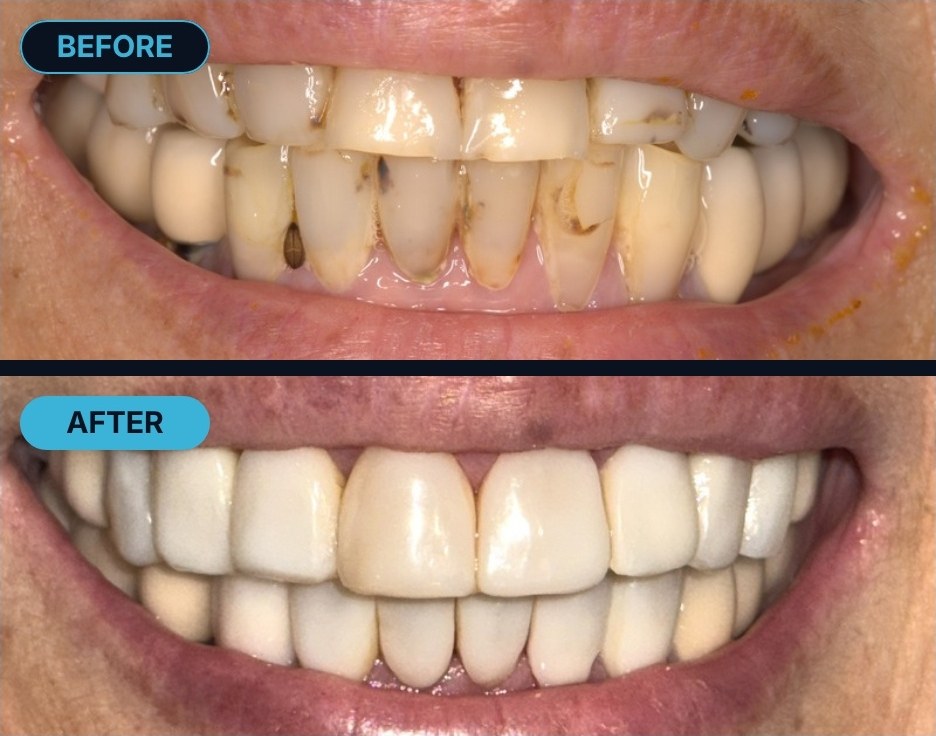
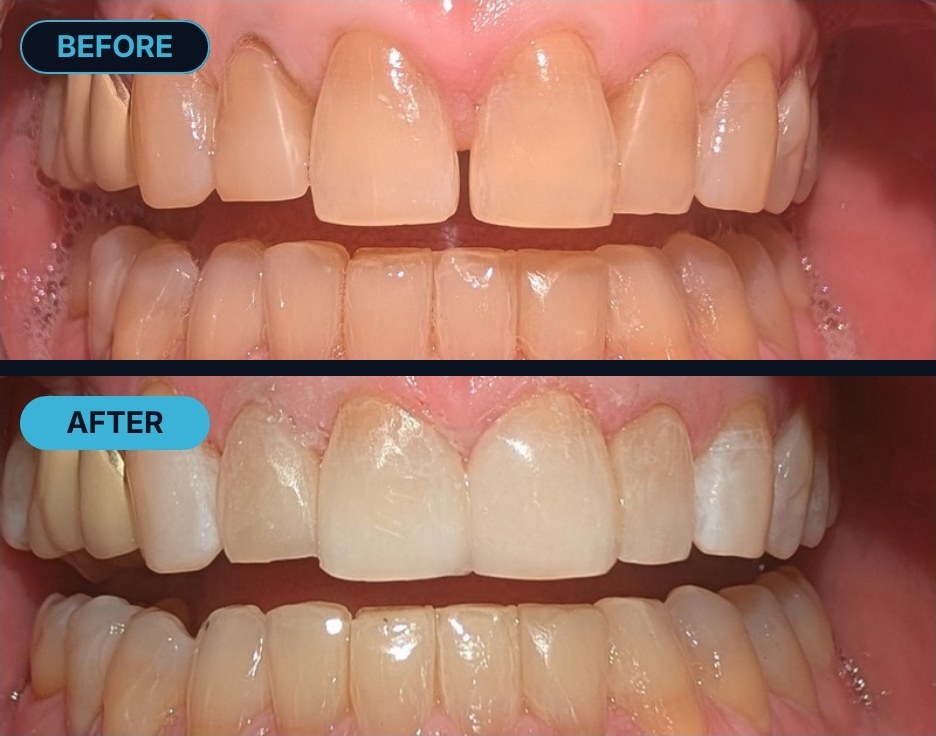
Before and after composite bonding by Dr. Jinny Han: a gap between the upper front teeth closed with tooth-coloured composite
Gap between the front teeth, closed with composite bonding by Dr. Han
Real results

More bonding cases by Dr. Han

Every smile is different, so these show the kind of change bonding can make rather than a promise of your own result.
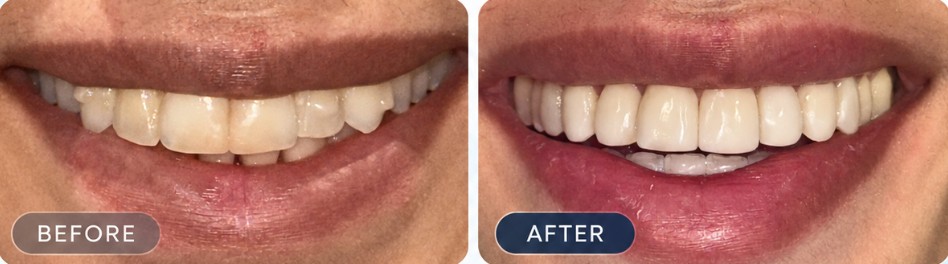
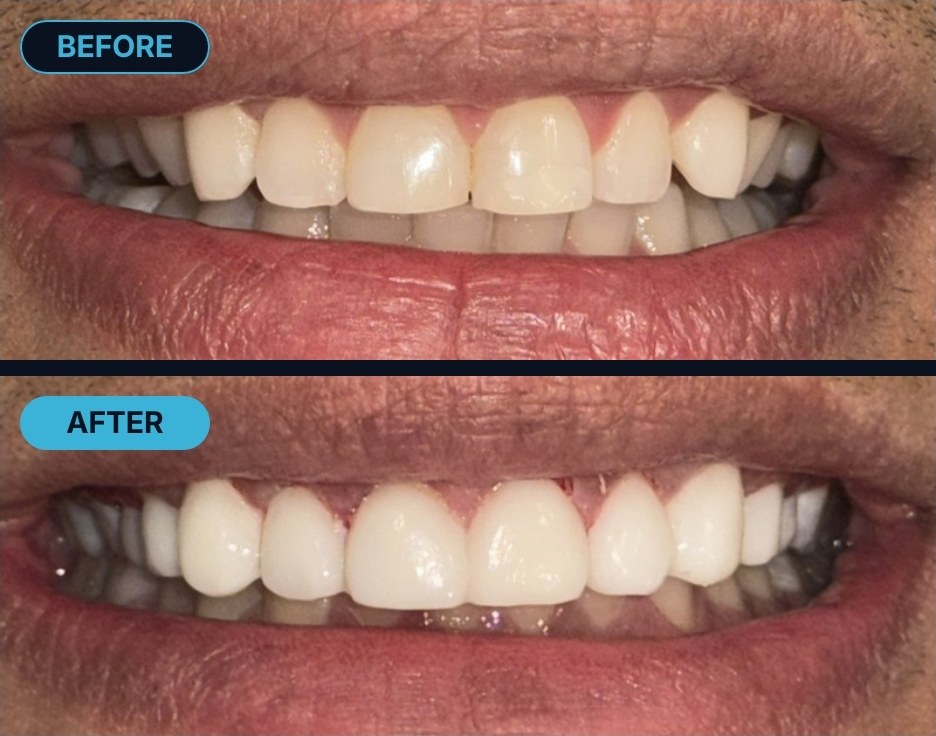
Before and after composite bonding by Dr. Jinny Han: uneven, worn front teeth reshaped into a brighter, more even smile
Uneven, worn front teeth. Reshaped into a brighter, more confident smile.

Composite bonding cases treated by Dr. Jinny Han at SmileCraft Dental. Results vary from person to person, and suitability is confirmed at your consultation.

What it is

What is composite bonding?

Composite bonding uses a tooth-coloured resin that is applied to the tooth in thin layers, shaped by hand, hardened with a curing light and then polished. It bonds to the surface of your existing tooth, so in most cases very little or none of the healthy tooth needs to be removed.

Because the shape is built up directly in the mouth, Dr. Han can adjust it as she goes and you can see the change take form in the same appointment.

Small gaps

Closing a gap between the front teeth, or small spaces elsewhere, without braces.

Chips and cracks

Rebuilding a chipped corner or edge so it matches the teeth around it.

Worn or uneven edges

Evening out edges that are worn, short or uneven, for a more balanced smile line.

Shape and size

Small changes to a tooth that looks too narrow, too short or slightly out of line.

Some discolouration

Covering a stain or mark that whitening won’t shift, on one or a few teeth.

Old fillings

Replacing a front filling that has darkened or no longer matches.

Why bonding

Small change. Big difference.

Often one visit

Most bonding is shaped, set and polished in a single appointment. No lab, no waiting for a second fitting.

Gentle on your teeth

Little or no drilling of healthy tooth, because the composite is added to the surface rather than replacing it.

Natural-looking

The shade is matched to your own teeth and the shape is sculpted by hand, so it blends in rather than standing out.

Adjustable later

Composite can be polished, repaired or added to over time, and in most cases it can be reversed in a way veneers can’t.

Usually costs less

Bonding usually costs less than porcelain veneers, which makes it a sensible first step for many people.

Usually no freezing

Because so little tooth is touched, most bonding is done without any freezing at all.

The process

What happens, step by step

01

Free consultation

Tell Dr. Han what you’d like to change. She checks your teeth and gums, tells you honestly whether bonding is the right option, and explains what it would cost. There’s no charge and no obligation.

02

Shade matching

We match the composite to the natural colour of your teeth. If you’d like your teeth whiter, whitening is done first, because composite doesn’t change colour once it’s placed.

03

Shaping and bonding

The tooth surface is gently prepared, then the composite is built up in thin layers, sculpted by hand and set with a curing light.

04

Polish and check

Dr. Han refines the shape, checks your bite and polishes the composite to a natural sheen. You leave with the finished result the same day.

Bonding a single tooth often takes under an hour. Several teeth take longer and are sometimes split over two visits. Dr. Han will give you a realistic plan at your consultation.

Is it right for you?

Who bonding suits

It may be a good fit if…

  • You have a small gap, chip or uneven edge that bothers you
  • Your teeth and gums are otherwise healthy
  • You’d like a noticeable change without a lot of treatment
  • You want to keep as much of your natural tooth as possible

It may not be the right fit if…

  • There’s untreated decay or gum disease, which comes first
  • Your teeth are crowded or rotated, where Invisalign may suit better
  • You grind or clench heavily, which can chip composite
  • You want a large colour or shape change across many teeth
Bonding or veneers? Bonding is quicker, gentler on the tooth and usually costs less. Porcelain veneers resist staining better and generally last longer, but they involve removing a thin layer of the tooth surface, which can’t be undone. Many people start with bonding. Dr. Han will tell you plainly which makes more sense for your teeth.
Your dentist

Bonding by Dr. Jinny Han

Dr. Han is a general dentist with 14+ years of experience across Toronto and the Lower Mainland, and the owner of SmileCraft Dental. She earned her Doctor of Dental Surgery at the University of Alberta after a Bachelor of Science at UBC.

Bonding is hands-on, freehand work. Dr. Han paints and bakes detailed cakes in her own time, and brings the same patience and eye for small details to shaping each tooth.

  • Fluent in English and Korean
  • Unhurried appointments and clear explanations
  • Gentle approach for nervous patients
What patients say

Rated 5.0 on Google

from 190+ reviews

I got composite bonding done at SmileCraft Dental in Langley and I’m so happy with how my teeth turned out! I’ve always been insecure about my teeth, and even after having Invisalign, I still wasn’t happy with my smile. She made such a big difference, and I finally feel so much better about my teeth. I honestly wish I had done it sooner! I would definitely recommend her to anyone thinking about getting composite bonding.

Composite bonding patient, Google review

Cost

What does bonding cost?

Bonding is priced by the tooth and by how much shaping is involved, so one small chip costs far less than reshaping several front teeth. The consultation is free, and you’ll know what your treatment costs before anything begins.

What the consultation includes

  • A look at your teeth and gums with Dr. Han
  • An honest view on whether bonding suits you
  • Your options, including simpler or alternative ones
  • What your treatment would cost

Priced separately, where needed

  • Treatment of decay or gum disease beforehand
  • Whitening, if you’d like it done first
  • A night guard, if grinding needs protecting against
  • Any treatment not part of your bonding plan
On insurance: purely cosmetic bonding is usually not covered, but bonding that repairs a chipped or damaged tooth may be partly covered. We’ll tell you which applies before you decide. The Canadian Dental Care Plan does not cover cosmetic treatment.
Next step

Book your free consultation with Dr. Han

Find out whether bonding suits your smile, see your options and hear what it would cost. No charge, and no obligation to go ahead.

Booking online? Add “bonding consultation” in the notes so we reserve the right appointment, or call and we’ll arrange it for you.

  • Willoughby Town Centre, Langley
  • Open Saturdays and Sundays
  • Free parking on site
Questions

Frequently asked questions

Is the consultation really free?
Yes. Your composite bonding consultation with Dr. Han is free and carries no obligation. She’ll check whether bonding suits you, talk through your options and tell you what it would cost.
How long does composite bonding last?
Bonding commonly lasts several years, and how long depends on where it is, your bite and your habits. It won’t last forever, but it can usually be polished, repaired or topped up rather than redone from scratch. Biting nails, pens or ice and grinding at night all shorten its life.
Does bonding hurt?
Most people find it very comfortable. Because little or no healthy tooth is removed, bonding is usually done without freezing. If a tooth needs more preparation, or you’re anxious, we can numb the area first. Tell us how you feel and we’ll go at your pace.
Will the bonding stain?
Composite can pick up some staining over time, more so than porcelain, especially from coffee, tea, red wine and smoking. Regular cleanings and an occasional polish keep it looking fresh.
Can I whiten my teeth after bonding?
Whitening won’t change the colour of composite. If you’d like whiter teeth, it’s a good idea to whiten first and then match the bonding to your new shade.
Can bonding close any gap?
Bonding works well for small gaps. Larger gaps, or teeth that are crowded or rotated, are often better treated with Invisalign first, sometimes followed by bonding. Dr. Han will tell you which approach makes sense.
How do I look after bonded teeth?
Brush and floss as normal, keep up regular checkups and cleanings, and avoid using your front teeth to bite hard objects. If you grind at night, a night guard helps protect the composite.
Is bonding covered by insurance or the CDCP?
Purely cosmetic bonding is usually not covered by insurance, but bonding that repairs a damaged tooth may be partly covered. The Canadian Dental Care Plan does not cover cosmetic treatment. We’ll let you know which applies before you go ahead.
Ready when you are

Book your visit at SmileCraft Dental

New patients welcome. Open Saturdays and Sundays, closed Mondays. Free parking at Willoughby Town Centre.

Scroll to Top